The Space You Keep Ignoring: What Nine UK Homes Did With That Awkward Under-Stair Cube
Under-stairs space is a bit of a liar. It looks generous from the hallway, then you open the door and find a sloping ceiling, a meter box, a random pipe and a hoover you have been meaning to fix since 2023. Most of us shove things in, shut the door and pretend it is storage. But across the UK, homeowners and renters are starting to treat that awkward cube as a proper room — or at least a properly useful slice of one.
At Inspiration House, we have seen enough makeovers to know the difference between a tidy-looking idea and one that survives a wet Tuesday in November. So here are nine UK under-stairs projects that earn their keep, plus the practical stuff you need to sort before you buy a single hook.
The boring bits that decide whether it works
Start with measurements, not mood boards. Measure the floor depth, the width at the narrowest point, the height at the door and the height at the back. Staircases slope, skirting boards stick out and door frames eat space. Draw a simple plan and mark the meter cupboard, sockets, radiators and any pipes. If you are buying fitted storage, this plan will save you from a very expensive shrug.
Damp is the next thing to check. Under-stair spaces often sit against an external wall, and sealing in warm air without ventilation is a classic mistake. Look for tide marks, musty smells or peeling paint. A cheap hygrometer can tell you a lot. Do not block air bricks, and if the space feels cold and clammy, deal with that before you fill it with coats and cardboard.
Electrics need a sensible eye too. If you want a desk, a lamp or a socket for the hoover, get an electrician to advise rather than daisy-chaining extension leads into a cupboard. Anything beyond swapping a plug-in light is not a casual DIY job. And if you are boxing in or altering the structure around the stairs, check with your local building control team — stair stringers and supports are not there to be cut away for extra shoe space.
Fire safety matters as well. Do not turn the only route out of a room into a storage mountain. Keep meter boxes accessible, avoid stuffing flammable clutter around electrical equipment and, if you are enclosing a space near a heat source, use sensible fire-rated materials. This is not glamorous, but it is the difference between a makeover and a mess.
Nine homes that made the cube count
1. Leeds Victorian terrace: the mudroom drop zone. A family with two small children added a shallow bench, a wipeable back panel, six hooks and a boot tray. Total spend was around £250. The lesson: hooks beat shelves at eye level, and a dark corner works better in a light, wipeable paint.
2. Bristol 1930s semi: pull-out larder drawers. Instead of a deep cupboard where jars go to die, the owners fitted two full-extension drawers on runners. It was a DIY job for about £180. The lesson: measure the door opening first — full-extension runners are only useful if the drawers can actually come out.
3. Glasgow tenement flat: the renter-friendly desk. No drilling allowed, so a slim freestanding desk, a plug-in wall light and a tension rod with a linen curtain created a tiny workspace. Budget: £160. The lesson: renters can make a real difference with furniture that fits the gap, not fittings that fight the landlord.
4. Cardiff townhouse: the fitted home office. A joiner built a desk into the slope, with closed drawers below and a cable tidy at the back. It cost around £900. The lesson: pay for a dedicated socket and ventilation before you pay for fancy joinery. A stuffy cupboard office is not a bargain.
5. Norwich cottage: the reading nook. A built-in bench with lift-up storage, a washable cushion and a battery-powered picture light turned a low corner into a snug spot. Spend: about £300. The lesson: head height matters. If you cannot sit up without ducking, call it storage and move on.
6. Sheffield stone terrace: the dog and boot den. Wipeable paint, a rubber mat, a low rail for leads and a ventilated cupboard for the dog crate made this space hard-working. Cost: £220. The lesson: ventilation is not optional when warm, damp coats and pets share a small space.
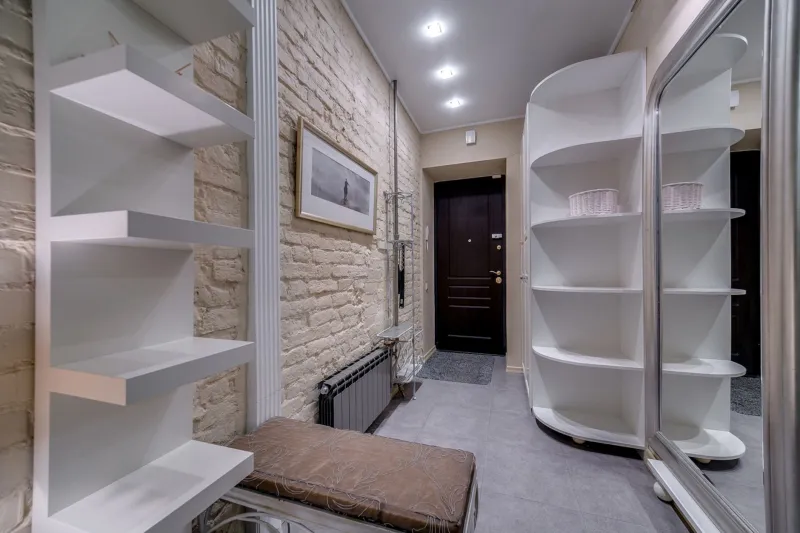
7. London flat: the shallow shoe cupboard. Push-to-open doors and angled shelves made the most of a 28cm-deep recess. It was fitted for £400. The lesson: if the depth is shallow, stop trying to store deep things. Shoes, bags and keys are enough.
8. Edinburgh new-build: the coat and meter cupboard. The owners kept the meter clear, added a shelf above it and used removable hooks on the door. Spend: £150. The lesson: respect the services. A pretty cupboard that blocks the consumer unit is a false economy.
9. Belfast semi: the kids' book cube. A low bench, two baskets and a strip of wipeable wallpaper gave a small person a place for books and toys without taking over the hall. Cost: £200. The lesson: not every under-stair space needs to be adult-useful. Sometimes the best bit of the house is the bit the children actually use.
What is worth paying for
Spend money on the things you cannot easily change later: electrics, ventilation, a decent door and accurate fitting. A made-to-measure door or drawer front can make a basic carcass look intentional. Good runners and hinges are worth the upgrade because cheap ones announce themselves every morning.
Save money on the inside. Dark cupboards do not need expensive wallpaper. A simple shelf, a washable floor and a battery light will do more than decorative trim. And if you are renting, think removable first: tension rods, freestanding units, over-door hooks and plug-in lighting can all be undone on moving day.
A five-minute check before you buy anything
Clear the space completely. Look for damp, pipes, wires and cracks. Decide the one job the space should do — coats, desk, shoes, books, dog — and write it down. Measure twice. Then set a budget that includes a surprise fund, because under-stair spaces almost always have one hidden problem. Do that, and the awkward cube stops being the place you avoid and starts being the bit of the house that quietly works hardest.