The Best Room Is Waking Up: How UK Families Are Making the Front Room Work Again

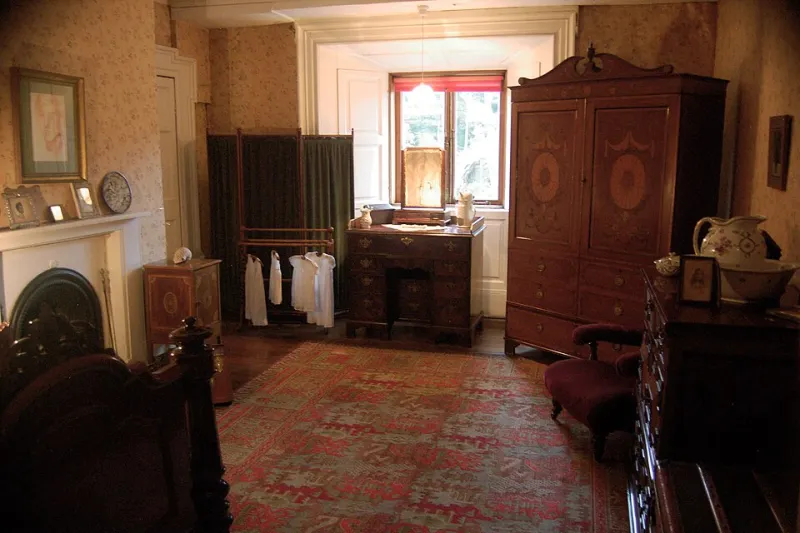
Photo: Colin Park , CC BY-SA 2.0, via Wikimedia Commons
There is a particular kind of British room that has spent years being almost perfect. The cushions are plumped. The good curtains are drawn. Nobody is allowed to eat toast in there. For generations, the front room has been less of a room and more of a museum exhibit — a formal parlour kept for guests who rarely arrive, while the family piles into the back room or around the kitchen table.
In 2026, that is changing. Across terraces, semis and new-builds, the front room is being brought back into daily life. Not as a stiff showpiece, but as a genuinely useful family space: part snug, part homework zone, part record-listening corner, part somewhere-to-sit-with-a-mug-and-ignore-your-phone. The best room is finally being allowed to be a good room.
From parlour to no-go zone
The formal front room made sense in an era of visiting cards and Sunday-best manners. It was a buffer between the street and the family, a place to receive people you wanted to impress. But as homes became smaller and family life became busier, that buffer turned into dead space. Many of us inherited the habit without the lifestyle that went with it.
The result was a room with a sofa nobody sat on, a cabinet full of glasses nobody used and a carpet that stayed suspiciously clean. Meanwhile, the real life of the house happened elsewhere — usually in a back room that was too small, too cluttered or too close to the kitchen to absorb homework, hobbies and half-finished jigsaws.
Why the front room stalled
Part of the problem is emotional. The front room is often the first room visitors see, so it becomes the room we tidy for other people. Another part is practical: in a typical Victorian terrace, the front room can be long and narrow, with a fireplace on one wall and a window on another. In a 1930s semi, it might be a decent square-ish space, but one that has been treated as a passage to the stairs rather than a destination.
There is also the furniture question. Many front rooms are still arranged around a focal point that no longer exists — a fireplace that has been blocked, or a television that was moved out years ago. The room has no job, so it attracts random storage. Once that happens, it is hard to see it as anything other than the place where the ironing board lives.
The 2026 rethink: use it or lose it
The shift happening now is not about grand renovations. It is about rethinking the room's job. Families are asking a simple question: what would make us actually come in here? The answers are varied, but they tend to fall into a few useful patterns.
Some households are turning the front room into a quiet lounge — a place for books, records and conversation, away from the television. Others are making it a multi-purpose family room: a desk in one corner, a low sofa in another, a shelf of board games within reach. The key is that the room has a reason to be used on a Tuesday afternoon, not just at Christmas.
Layouts that suit terraces and semis
In a narrow terrace, the temptation is to push everything against the walls and create a corridor down the middle. That can work, but it often feels like waiting for a train. A better approach is to create two loose zones: a sitting end near the window, and a utility end near the chimney breast or rear door. A slim desk, a small armchair and a floor lamp can turn the awkward end of the room into a homework nook without blocking the walkway.
In a semi, the front room often has more width to play with. Instead of lining the walls with furniture, try pulling a sofa away from the wall and placing a slim console behind it. This creates a walkway and gives the room a bit of backbone. If the room opens into a dining area, use a rug to mark the lounge zone rather than relying on a wall that is not there.
Creative choices that make the room earn its place
The most interesting front rooms in 2026 are not the most expensive ones. They are the ones with a bit of personality and a clear invitation to use them. A wall of books is an obvious start, but it does not have to be floor-to-ceiling joinery. A simple pair of second-hand bookcases, painted the same colour as the wall, can make the room feel intentional without shouting.
Records are having a moment, and a turntable on a low sideboard gives the front room a reason to be entered. Add a couple of comfortable chairs and you have a listening corner. For families with children, a low shelf of games and a small table for drawing can make the room feel less precious. A homework zone does not need a full study setup: a slim desk, a good task lamp, a pinboard and a decent chair will do more than a fancy built-in unit.
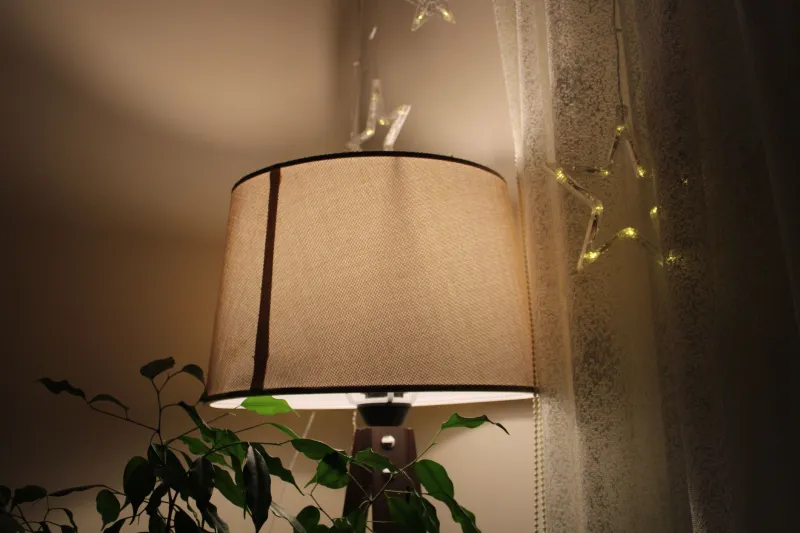
Lighting matters more than people expect. If the front room only has a central pendant and a lamp in the corner, it will feel either too bright or too gloomy. A mix of floor lamp, table lamp and wall light — all on separate switches or smart plugs — makes the room feel layered and flexible.
Budget moves that make a difference
You do not need to replaster, rewire or replace the sofa to reclaim the front room. Start with paint. A warm off-white or a soft clay tone can make a dim room feel less formal and more inviting. If the room is north-facing, lean towards warmer colours rather than cool greys.
Next, sort the floor. A decent rug can cover a tired carpet or define a seating area without the cost of new flooring. Then look at the lighting and the curtains. A second-hand lamp and a pair of well-chosen curtains can change the mood of the room for less than the price of a new armchair.
Finally, remove the things that make the room feel off-limits. If the good china is never used, move it. If the sofa is uncomfortable, replace it with something you actually want to sit on. The front room does not have to be precious to be nice. It just has to be useful.
The room with a job
The front room is back because it finally has a job again. In some homes it is a snug. In others it is a homework room, a music room or a quiet place to read. The common thread is that people are choosing to use it rather than protect it.
That feels like progress. A room that is used every day will never be perfectly tidy, but it will be alive. And in a country where space is at a premium, an alive front room is worth far more than a perfect one.