From Storage to Studio: Nine UK Garden Sheds That Earn Their Keep
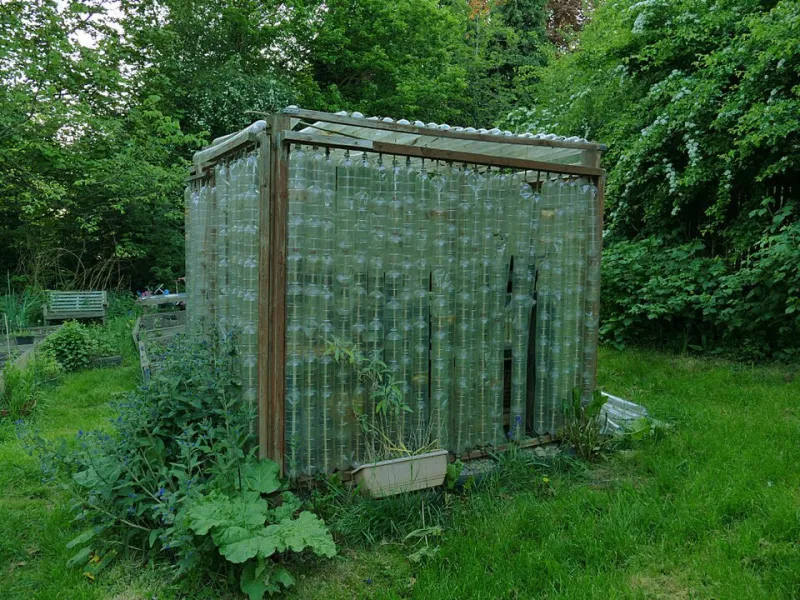
Photo: Stephen Craven , CC BY-SA 2.0, via Wikimedia Commons
The British shed has a long history of being almost, but not quite, a room. It is where the mower lives, where the paint tins go and where you sometimes stand for five minutes pretending to look for a screwdriver. But in the right hands, that same shed can become the most useful square metres on the property: a place to make, record, write, throw, sew or simply shut the door and think.
The nine sheds below started life as ordinary garden storage. None of them required a grand extension. Their budgets range from a few hundred pounds to a few thousand, and the lessons are the same: sort the shell first, then the power, then the pretty stuff. If you are planning your own garden room, these are the moves worth copying.
1. The artist's shed, Sheffield — £2,400
A standard 8ft by 10ft shed became a bright, north-facing art studio for a painter who needed to stop working at the kitchen table. The budget went mostly on insulation and a proper window: 50mm PIR boards between the studs, a breathable membrane and a small opening window for ventilation. The walls are painted white, the floor is cheap ply sealed with floor paint, and a pegboard keeps brushes and tools within reach.
Power pointer: a single armoured cable from the house, fitted by a qualified electrician, with an RCD-protected consumer unit inside. Design move: paint the ceiling the same white as the walls so the shed feels taller than it is.
2. The podcast room, Leeds — £3,800
This shed was already wired, but it was echoey and cold. The owner added a layer of acoustic insulation, a carpet offcut and a heavy curtain over the door. A small desk, a microphone arm and a shelf of books finished it off. The result is a tiny broadcast booth that does not disturb the neighbours.
Power pointer: a dedicated circuit is worth considering if you are running a computer, monitors and lighting. Design move: seal the door with a brush strip and foam strip — cheap, effective and easy to undo.
3. The pottery shed, Stoke-on-Trent — £5,200
A potter's shed needs to be practical before it is pretty. This one has a wipe-clean floor, a stainless-steel worktop and open shelving for drying pots. The owner kept the kiln in a separate, well-ventilated space and had the electrics checked before plugging anything in.
Power pointer: kilns draw a lot of power, so do not assume a garden extension lead will do. Speak to an electrician about load and ventilation. Design move: use a cheap but sturdy shelving unit on castors so you can move it out of the way when you need floor space.
4. The writing cabin, Norwich — £1,900
This is the low-budget end of the spectrum: a second-hand shed, re-felted roof, insulation in the walls and ceiling, and a desk built from scaffold boards. A small electric heater keeps the chill off for short sessions. The owner describes it as a place to write badly without anyone watching.
Power pointer: if you only need a laptop and a lamp, a professionally installed outdoor socket can be enough. Design move: put the desk under the window and keep the rest of the shed deliberately sparse. A writing room does not need much.
5. The music shed, Bristol — £4,500
A drummer's shed is a particular challenge, but this one was designed to reduce noise rather than eliminate it. The walls were packed with mineral wool, the door was replaced with a solid-core one, and the floor sits on a rubberised base. It is not a professional studio, but it is good enough for practice and recording demos.
Power pointer: run a proper supply before you fill the shed with gear. Design move: keep cables clipped and tidy. A messy shed makes a messy session.
6. The sewing room, Glasgow — £2,100
A dressmaker turned a damp shed into a warm sewing room with insulation, a small radiator and a lot of shelves. A fold-down table gives her space to cut fabric, and a pegboard keeps scissors and rulers where she can see them. The shed is only 7ft by 9ft, but it works because everything has a home.
Power pointer: a small oil-filled radiator is safer than a fan heater in a tight space. Design move: paint the shed door a bright colour inside and out. It makes the room feel intentional from the house.
7. The photography studio, Cardiff — £3,200
This shed is used for product photography and portraits. The owner lined one wall with white boards and painted the floor a mid-grey. A roll of backdrop paper lives on a simple wall bracket. The shed is not huge, but it is long enough for a chair and a camera on a tripod.
Power pointer: if you are using studio lights, check the supply can handle them and use surge protection. Design move: keep one wall clear and neutral. It gives you a ready-made backdrop.
8. The kids' art studio, Birmingham — £2,800
A family with two young children converted a shed into a messy-art space so the kitchen table could finally be used for eating. The floor is vinyl, the table is a cheap second-hand one, and the walls are covered in a washable chalkboard paint. A basket of aprons hangs by the door.
Power pointer: keep sockets high and covered, and add a small heater that is safe for family use. Design move: label storage boxes with pictures as well as words. It helps children put things back.
9. The florist's shed, Edinburgh — £3,600
The final shed is a working flower studio with a cold-water sink, a long bench and a fridge for keeping blooms fresh. The owner insulated the shed and added a small extractor fan to deal with condensation. The result is a calm, fragrant space that makes the garden feel like part of the business.
Power pointer: water and electricity need respect. Use an electrician and fit RCD protection. Design move: line the bench with a simple metal sheet so it can be wiped down after a busy day.
What to sort before you style
Before you buy a nice lamp or a rug, deal with the shell. Check the roof, the floor and the damp. Insulate the walls and ceiling if you plan to use the shed in winter. Ventilation matters as much as insulation — a sealed shed will sweat. And do not cut corners on power: an electrician, armoured cable and RCD protection are not glamorous, but they are the difference between a shed you use and a shed you avoid.
Planning rules are worth checking too. Many garden sheds fall under permitted development, but height, position and size all matter, especially in conservation areas or if you are in a flat. A quick check with your local council will save a nasty surprise.
The small moves that make it feel intentional
The sheds above work because they have a job. A studio, a practice room, a homework den — once the shed has a purpose, the design choices follow. Paint the floor. Add a shelf. Hang one picture. Put a proper light by the door. These are small moves, but they tell your brain that this is a room, not a storage unit.
The British shed has always been a bit of a blank canvas. In 2026, more of us are finally picking up the brush.