Going Up in Style: Nine UK Staircases That Stopped Being an Afterthought
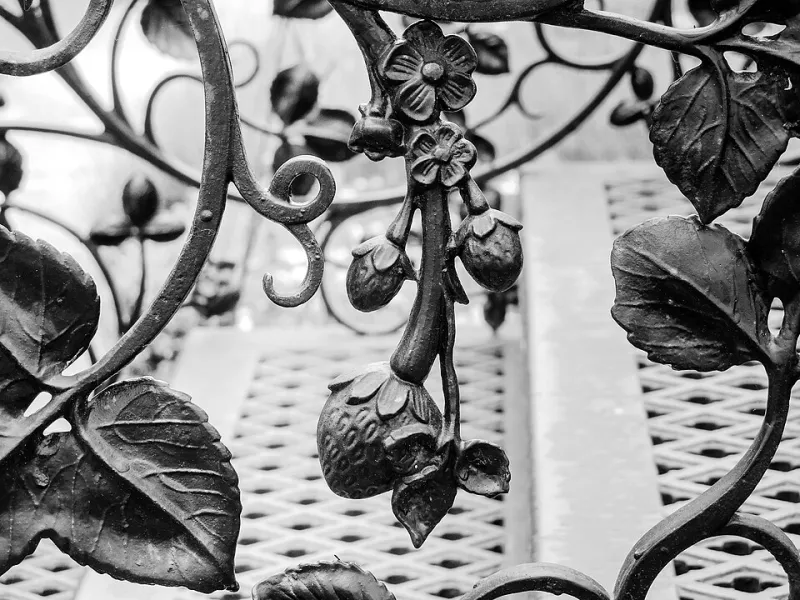
Photo: Gary Ullah from UK, CC BY 2.0, via Wikimedia Commons
Every visitor meets the stairs before they meet the sofa. They grip the handrail, eye the runner and silently judge the dust on the spindles. Yet for most UK homes the staircase is the last thing to get decorated and the first thing to be apologised for.
That is starting to change. In 2026, with paint tins still pricey and hallway envy at an all-time high, nine homes we have seen have treated the climb as a proper room. Not a corridor. Not a circulation route. A room that happens to go upwards. Here is what they did, and what is worth copying.
The runner is a decision, not a default
In a Victorian terrace in Leeds, the owners measured their stairs at the narrowest point — not the widest — before ordering a wool runner. They left roughly 10cm of painted board visible on each side and fixed the runner with brass rods rather than gripper alone. The result looks intentional, and the bare margins make the hallway feel wider.
The lesson: choose the runner after you have measured, not before. A runner that spans the full width can make a narrow stair feel like a tunnel. Leave a margin, paint the boards in a hard-wearing eggshell, and use rods that can be lifted for cleaning. If the treads are old and uneven, a decent underlay and a fitter who understands period stairs are worth more than a designer label.
Spindles can carry the colour scheme
A 1930s semi in Bristol painted its spindles in a soft clay and left the handrail in dark stained oak. It sounds small. It changes the whole hall. In a Glasgow tenement, the owners went further, painting the balustrade in two tones so the upper flight reads as a separate moment.
Painting spindles is fiddly but cheap. Preparation is the whole job: wash, sand, knot and prime. Use an eggshell or satin that can be wiped, and do not paint over a handrail that is still tacky. In older properties, test a small patch first. If the balustrade is original and the building is listed, check before you change the profile or the paint system.
A gallery wall should climb, not sprint
In an Edinburgh first-floor flat, the frames follow the rake of the stairs. Each picture is centred at a consistent height above the tread beneath it, so the eye is led upwards rather than stopped by a grid. The owners used a string line and a spirit level, and fixed into the masonry rather than relying on plasterboard plugs.
Hanging on a staircase is not the same as hanging in a living room. Use fixings rated for the wall, avoid drilling into the stringer, and keep the lowest frames high enough that nobody knocks them with a bag. Fewer, larger frames usually beat a crowded cluster in a narrow hall.
Light the steps, not the ceiling
A loft conversion in Manchester added low-level wall lights at every third tread, on a PIR sensor and a warm 2700K bulb. The stairs are now usable at night without switching on the landing light and waking the house.
This is an electrician's job, not a weekend one. Cables need to sit in safe zones, and wall lights on a stair wall must be clear of the handrail. But the effect is worth it: a staircase lit from the side feels like a room, not a fire escape.
Narrow halls need breathing room
A Sheffield terrace kept its hall deliberately plain: pale walls, a slim runner, one handrail and nothing else. No gallery. No console table. The stairs feel wider because nothing is competing for attention.
The rule in a narrow hall is simple. If you cannot walk up with a laundry basket and turn at the top without thinking about it, there is too much in the way.
Period homes reward breathable finishes
A cottage in Powys used limewash on the stair walls and a waxed oak handrail. A Kent farmhouse chose a sisal runner that can be brushed rather than vacuumed to death. Both avoided glossy modern paints on walls that need to breathe.
Old plaster and modern emulsion are not always enemies, but they are not friends either. If the wall has a history of damp or patchy paint, a breathable finish is the safer bet. The same goes for the runner: natural fibres age well, but they need a decent underlay and a fitter who will not staple through a damp-prone tread.
New builds need personality, not pastiche
A new-build in Milton Keynes added built-in drawers under the stairs, painted the balustrade in a deep green and put a motion-sensor LED strip under the handrail. It does not pretend to be Victorian. It just looks considered.
If the staircase is a standard builder's model, the cheapest wins are paint, a runner and better lighting. Do not try to bolt on a period look that fights the proportions.
The practical checklist
Measure the narrowest point, the longest drop and the width of every tread. Check the handrail height and the gaps between spindles; both are safety matters, not style choices. Price the runner by the metre and add fitting. Budget for paint, primer, rods and a decent brush. If you are drilling, know what the wall is made of.
Most of all, treat the stairs as a room. They are the one part of the house every visitor uses. In 2026, that is finally being seen as an opportunity rather than a chore.