Heat With a Seat: Nine UK Homes That Turned the Radiator Into Part of the Furniture
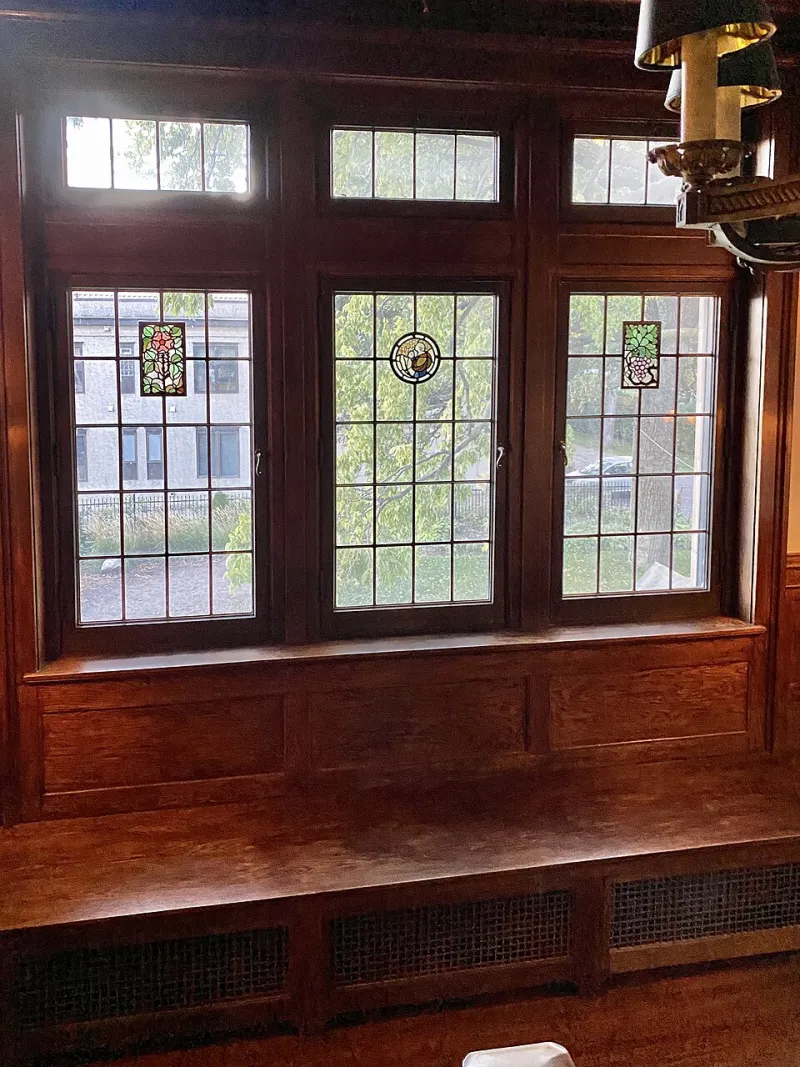
Photo: w_lemay, CC BY-SA 2.0, via Wikimedia Commons
There is a particular British instinct that kicks in when a radiator spoils a wall: build a box over it, paint the box, and hope nobody asks what happened to the heat. The result is often a handsome-ish cube that blocks the very thing it is meant to hide, leaves the valves unreachable and turns a warm room into a lukewarm one. The radiator is not the enemy. Badly considered joinery is.
Across the UK, a quieter approach is taking hold. Instead of burying radiators, homeowners are treating them as part of the room’s architecture—giving them a seat above, a shelf beside, a slatted screen in front, or a bench that makes the whole wall feel deliberate. The trick is to build with the heat, not against it.
The Problem Was Never the Radiator
Most radiators are put where the pipework is easiest and the wall is free. That is usually under a window, which is actually sensible: the cold draught from the glass meets the warm air rising from the radiator, and the room feels more even. The trouble starts when furniture arrives. A sofa goes in front, a curtain hangs over the top, a cabinet gets pushed against the side. Then the room feels cold, and the radiator gets the blame.
A good integrated design does three things at once. It protects the radiator’s airflow, keeps the controls and valves accessible, and gives the wall a purpose beyond “place where heat comes out”. In other words, it makes the radiator earn its footprint.
Nine UK Homes That Built Around the Heat
1. The Cornwall window seat with a slatted front In a 1970s bungalow near Truro, a long living-room radiator was ruining the only decent wall. The owners built a shallow window seat over it, but—crucially—left a 100mm gap along the top and used a simple slatted timber front rather than a solid panel. The seat is deep enough for cushions, the radiator can still convect, and the room finally has somewhere to sit and look at the garden. The lesson: a cover needs holes, not just good intentions.
2. The Manchester shelf that behaves itself A Victorian terrace in Levenshulme had a tall, narrow radiator in the hallway. Instead of boxing it in, the owners built a slim oak shelf above it and open vertical supports at each end. The radiator stays visible, the shelf takes keys and post, and the whole arrangement reads as a useful hall piece rather than a heating apology. The shelf sits high enough that it does not trap rising heat.
3. The Edinburgh bay-window bench In a tenement flat, a bay window came with a radiator that made the alcove useless. The solution was a built-in bench that spans the bay, with a metal grille set into the seat base directly above the radiator. The bench is used for reading and for storage beneath, but the grille keeps the heat moving. It is a neat example of letting the radiator stay part of the room rather than pretending it is not there.
4. The Cardiff hallway perch A 1930s semi in Rhiwbina had a low radiator beside the front door and nowhere to put shoes on. The owners added a slim bench above it, fixed to the wall rather than the radiator, with a gap at the back for air and a cut-out for the thermostatic valve. The bench is only 35cm deep, so it does not crowd the hall, but it has become the most-used spot in the house.
5. The Sheffield kitchen banquette Kitchen radiators are often treated as an afterthought, but in a stone-built cottage near Sheffield, one became the back of a banquette. The radiator sits behind a slatted timber back panel, with the bench seat projecting forward. The slats allow warm air to rise, the table is not pushed tight against the heat, and the seating feels built in rather than bolted on. The owners did check that the radiator’s output was still adequate for the room before committing.
6. The Norwich bedroom window seat A box room in Norwich had a radiator under the window and a bed that could only go one way. The owners built a window seat that stops short of the radiator at each end, leaving the valves clear and the top open. A cushion sits on a removable panel, so the radiator can still be reached for bleeding. It is not a full cover—more a frame that gives the radiator a job without sealing it in.
7. The London alcove desk In a flat in Walthamstow, a radiator sat in an alcove beside a chimney breast. Rather than cover it, the owners built a desk surface that starts beyond the radiator and returns along the adjacent wall. The radiator stays exposed, the desk gets natural light, and the alcove no longer feels like dead space. A simple upstand stops papers sliding behind the desk.
8. The Yorkshire boot-room bench A farmhouse near Skipton had a high-output radiator in the boot room and a pile of wellies that never had a home. The bench above it was built with an open slatted seat and a solid top rail, so wet coats can hang without draping over the heat. The radiator’s top clearance is generous, and the bench is fixed to the wall, not the radiator brackets.
9. The Bristol living-room media wall In a 1980s house in Bristol, a radiator sat beneath a window in the living room. The owners built a low media unit that runs past the radiator rather than in front of it, with open shelving above and a clear gap below. The TV hides the pipework from most angles, but the radiator still has room to breathe. It is a useful reminder that “integrated” does not have to mean “covered”.
What to Steal Before You Build
The common thread in all nine homes is restraint. None of them sealed the radiator into a solid box. They used slats, grilles, gaps and open ends. They kept valves accessible. They made sure the joinery was fixed to the wall rather than hanging off the radiator. And they accepted that a radiator has a job to do.
If you are planning something similar, start with the radiator’s output. Covers and benches can reduce heat output, so check that the room will still be warm enough before you commit. Leave space above and below for air to move. Do not block the thermostatic valve. Avoid upholstery or curtains that sit directly against a hot surface. And if you are moving pipework or changing the heating system, use a qualified heating engineer—especially for anything involving the boiler.
A radiator is not a design failure. It is a piece of kit that works best when the room is designed around it, not on top of it. Give it a seat, a shelf or a sensible screen, and it stops being the thing you hide—and starts being the thing that makes the wall work.