The Warmest Square Metre in the House: Nine UK Airing Cupboard Makeovers That Actually Work

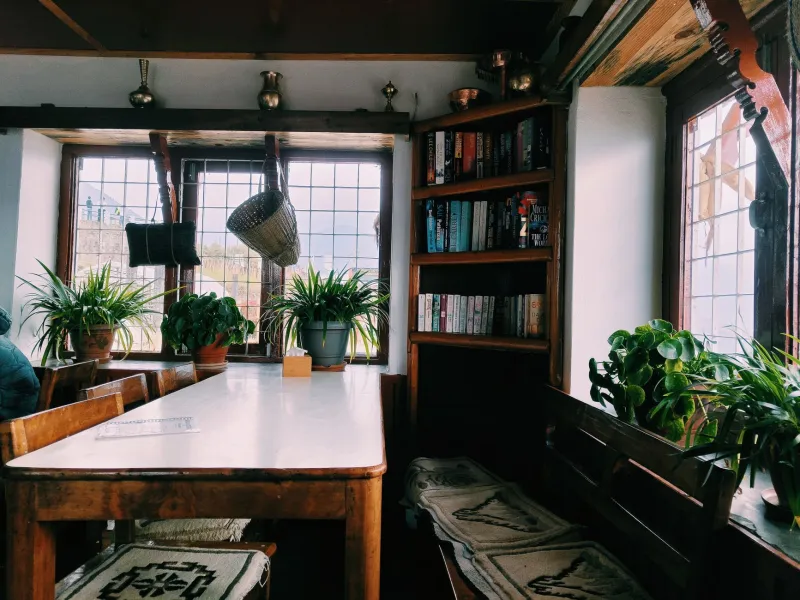
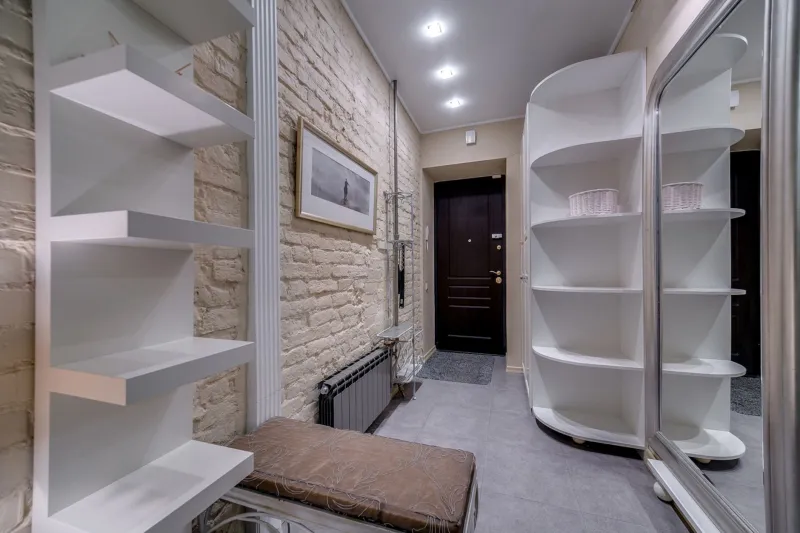
Photo: airing cupboard slatted shelves folded towels UK home, via www.cvs.com
An airing cupboard is a funny old thing. For decades it has been the place where the boiler lives, the towels go in slightly damp and the spare duvet emerges smelling faintly of dust and hot pipe. But as we head into the damp stretch of late 2026, a quiet shift is happening in British homes: people are treating that warm little cupboard as a room rather than a void. Not a renovation project. Not a Pinterest fantasy. Just one useful, hard-working square metre.
The appeal is obvious. It is already heated, it is usually central, and it is often the only spot in the house where a towel has a fighting chance of drying in November. The catch is that warmth without airflow is just a mould incubator with a shelf. So the best versions of this makeover are less about buying things and more about removing obstacles: clearing the pipework, keeping the boiler breathing, and giving everything a slatted surface to sit on.
Here are nine UK homes that have made their airing cupboard earn its keep, with ballpark costs for 2026 and the bits worth knowing before you start.
Start with the boring bits: heat, air and access
Before any basket or label maker arrives, check three things. First, the boiler or hot water cylinder needs clear space around it; never box it in with towels or board it over. Second, ventilation matters more than heat. A louvred door, a vent grille or simply a door left ajar for an hour after showers will do more than any scented sachet. Third, measure the depth. Most airing cupboards are shallower than they look once the pipes are counted.
In a rental, keep everything removable. Tension rods, over-door hooks, freestanding shelves and lidded boxes are your friends. Ask before drilling, and never block an access panel or a vent. In an owned home, slatted shelves are the single best upgrade: they let warm air move under the towels instead of trapping it beneath a solid board.
1. Leeds: the drying station that stopped the bathroom smelling of wet cotton
A Victorian terrace with a bathroom that never quite warms up. The owners added a simple slatted shelf at chest height, a fold-down rail beneath it and a small battery-powered hygrometer on the wall. Wet towels go on the rail for a day, then move to the shelf. Cost: about £70 for the shelf and rail, plus £15 for the hygrometer. The lesson: do not cram. If the cupboard is full, the towels stay damp and the whole exercise is pointless.
2. Edinburgh: a proper linen store in a tenement flat
This cupboard was previously a jumble of single socks and half-used loo rolls. The fix was a set of matching lidded baskets, one per bed size, with folded sheets inside and a label on the front. A small hook inside the door holds a laundry bag. Cost: £45. The tenement rule applies: nothing goes in wet, and the door stays open after baths. It is now the easiest place in the flat to find a clean sheet.
3. Cardiff: a rental-friendly towel and toiletry cupboard
No drilling allowed, so this renter used two tension rods across the cupboard width and a set of over-door hooks. Rolled towels sit on the rods, toiletries live in a hanging shoe organiser on the inside of the door, and a shallow plastic tray catches drips. Cost: £25. It is not beautiful, but it is reversible, and it has kept the bathroom windowsill clear for the first time in years.
4. Bristol: the mini boot room by the back door
A cottage with no hallway space and two muddy children. The airing cupboard sits next to the kitchen door, so it became a warm-weather boot and glove station in winter. A washable mat on the floor, a shallow tray for wet shoes and two hooks on the inside wall. Cost: £60. Important note: shoes go in dry, not soaking, and the cupboard door has a vent. The warmth helps finish the job without cooking the rubber.
5. Sheffield: the shelf tower for bedding
A 1930s semi with a hot water cylinder and a lot of spare bedding. The owners built a simple three-tier slatted shelf around the cylinder, leaving a clear gap at the front and top. Duvet covers are stored flat in breathable cotton bags, not vacuum bags, which can trap moisture. Cost: £85 for timber and slats. The honest note: this only works if the cylinder is not boxed in. If in doubt, get a heating engineer to look before you build.
6. Glasgow: the laundry hamper hideaway
A flat where the washing machine lives in the kitchen and the airing cupboard is the only place for dirty laundry. A breathable fabric hamper on a low slatted platform keeps clothes off the warm pipes and lets air circulate. A second small basket on the shelf holds pegs and stain remover. Cost: £35. The lesson: never store damp laundry in a sealed plastic bin in a warm cupboard. That is how you get a smell you cannot find.
7. Norwich: the cleaning cupboard that finally makes sense
A bungalow with a cupboard too shallow for towels. Instead, it became a cleaning station: a caddy for sprays, a hook for the mop handle, a small box for cloths and a shelf for the vacuum bags. Cost: £30. One caution: keep aerosols and anything flammable away from the boiler or cylinder, and follow the manufacturer's clearance guidance. Warmth is useful; heat plus chemicals is not.
8. Devon: the pet corner
A farmhouse with two dogs and a permanent supply of muddy paws. The airing cupboard now holds a stack of dog towels, a washable basket for leads and a small tub of paw wash. Cost: £50. The towels dry on a slatted shelf, and the floor has a wipe-clean mat. The rule is simple: wet dog towels go in on the rail, not in a heap on the shelf. It has cut down on the hallway smell dramatically.
9. London: the everything cupboard for a small ex-council flat
A one-bedroom flat where storage is tight. The airing cupboard became a household overflow store: lidded boxes for spare bulbs, batteries, sewing kit and chargers, with a small label on each. Cost: £40. The boxes sit on a freestanding shelf unit that can be lifted out if the boiler needs attention. It is not glamorous, but it is the reason the kitchen worktop is no longer a junk drawer.
What not to do
The pattern across all nine homes is the same. Do not overfill. Do not block vents. Do not store anything damp in a sealed box. Do not ignore the boiler or cylinder clearances. And do not assume a warm cupboard is automatically a dry cupboard; warm air needs somewhere to go.
If you do nothing else this winter, take everything out, hoover the corners, check the pipes for leaks and put back only what you actually use. That alone is a makeover. The shelves and baskets can wait until the January sales.